Articles

Chassis codes explained

JDM chassis codes look like noise until you know the system: BNR32, JZA80, FD3S. Each brand builds its codes differently, and once you can read them, a code tells you the engine, the platform and the generation at a glance. This guide explains each brand's system, with the codes for every car on this site.

Why enthusiasts use codes

A model name can cover several very different cars. Toyota's own magazine calls the chassis code the quickest and most accurate way to identify a specific Toyota, especially where a name spans several generations, and says the AE86 became better known by its code than by the name on its boot lid (source 1). The code also separates cars that share a name: a buyer's guide to the R32 Skyline points out that only the BNR32 is the GT-R, and that fitting an RB26 engine to another R32 does not make it one (source 2).

A word of caution before the brand-by-brand part. Toyota has explained its system in print. For the other makers, we found no carmaker's explanation of what each letter means, so the sections below show the codes and the patterns they follow without claiming meanings nobody has documented.

Toyota

Toyota's magazine explains the AE86 this way: the first letter is the engine family, the A series; the second letter is the model family, the Corolla; and the two digits follow (source 1). Wikipedia adds that the 8 marks the generation, the E80 Corolla, and the 6 the version within it; the AE85 was the same car with the smaller 3A-U engine, and the AE82 the front-wheel-drive version (source 3).

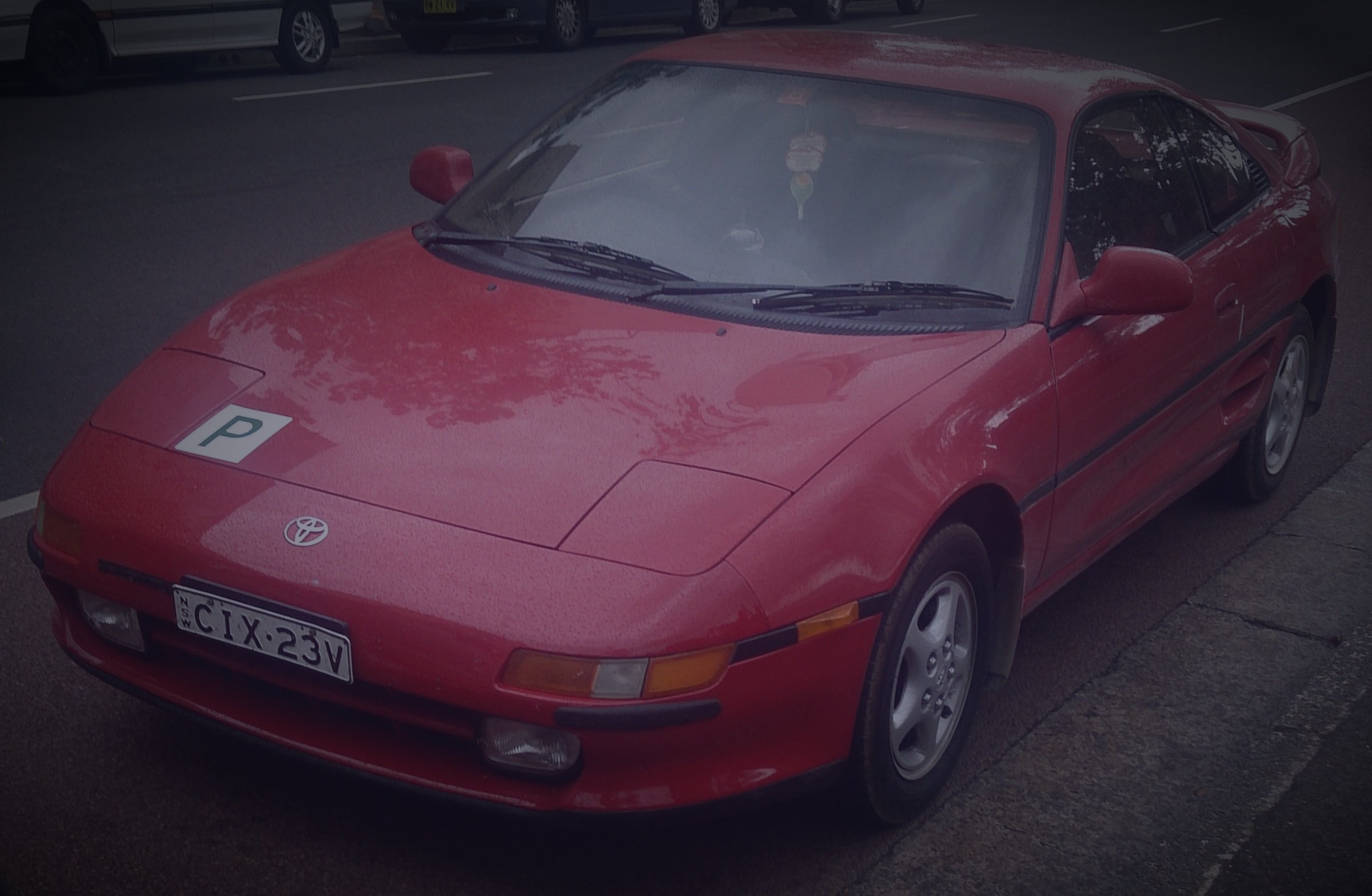
The cars on this site follow the same rule. The MR2 went from AW11 with the 4A-GE, to SW20 with the 3S-GTE, to ZZW30 with the 1ZZ-FE; the Supra from JZA70 with the 1JZ-GTE to JZA80 with the 2JZ (sources 4, 5). In each case the leading letters match the engine family, and the letter after them stays the same for the model: W on all three MR2s, A on both Supras. That pattern is our reading of the codes, not Toyota's statement. The MR2 Wiki confirms that SW20 covers every second-generation MR2 with a 3S engine, while the American car with the 5S engine was the SW21 (source 6).

Nissan

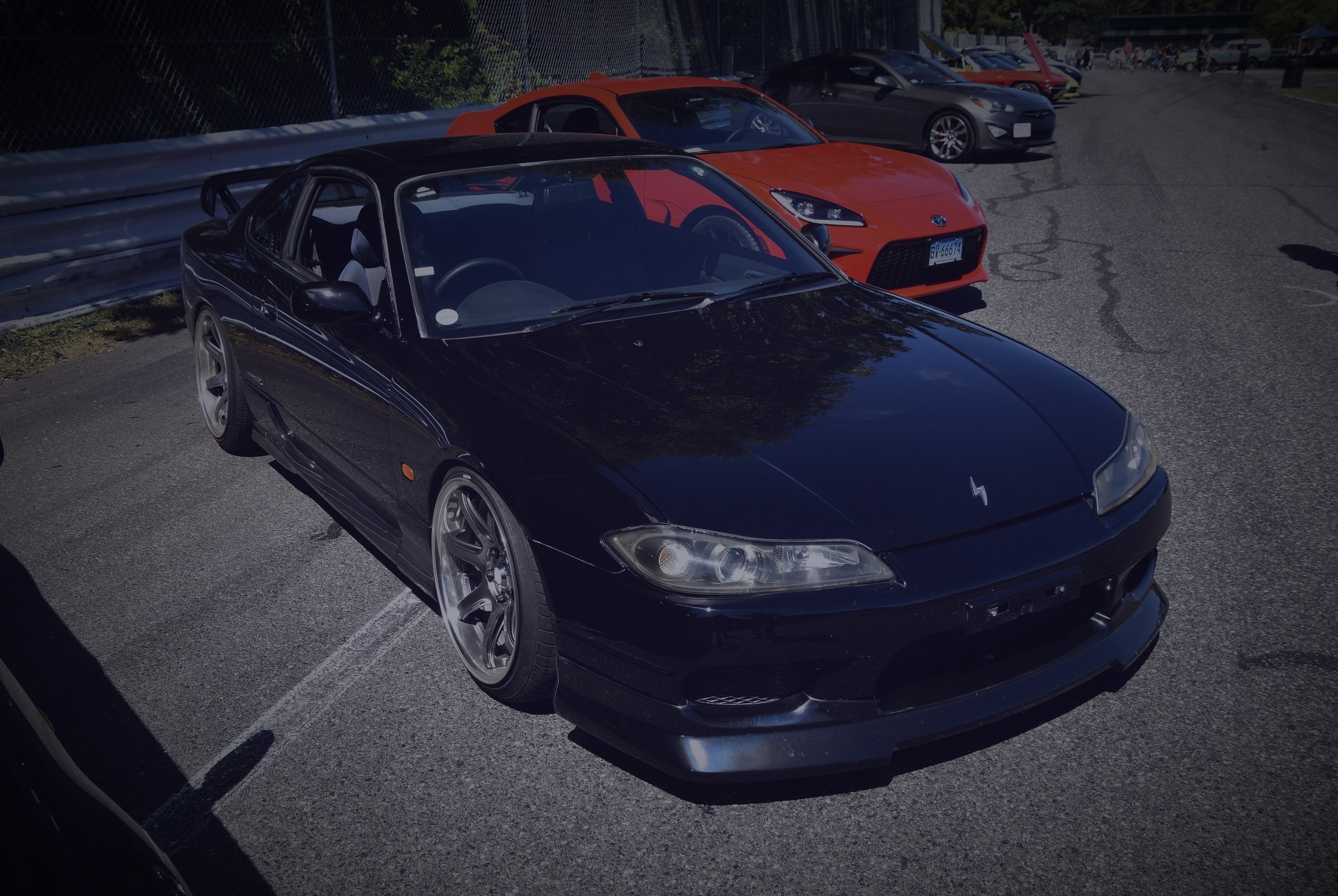
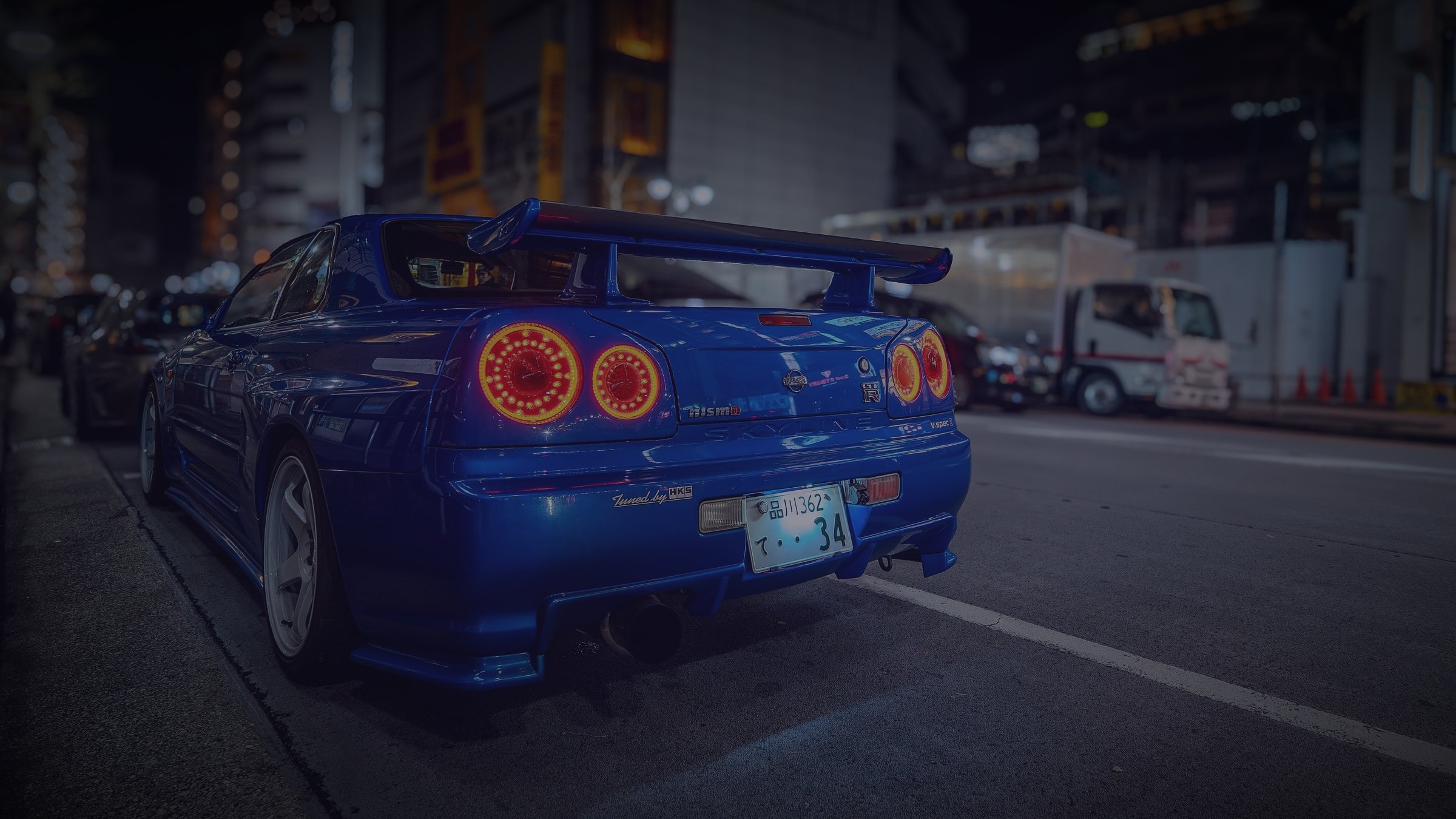
Nissan has not published a key to its codes, and the R32 buyer's guide says as much (source 2). What the codes on this site do show is a pattern: the digits stay the same within a generation, while the letters in front change with the engine and the drivetrain. The first Silvia S13s, with the CA18 engine, are S13; the SR20 cars from 1991 are PS13; the 180SX is RS13 (source 7). The R32 GT-R is the BNR32, while other R32 Skylines carry codes such as HCR32 and ECR32 (source 2). The GT-R codes run BNR32, BCNR33 and BNR34 (source 8). The shared part, S13, S14 and S15 or R32, R33 and R34, is what enthusiasts use as shorthand for each generation.

Honda

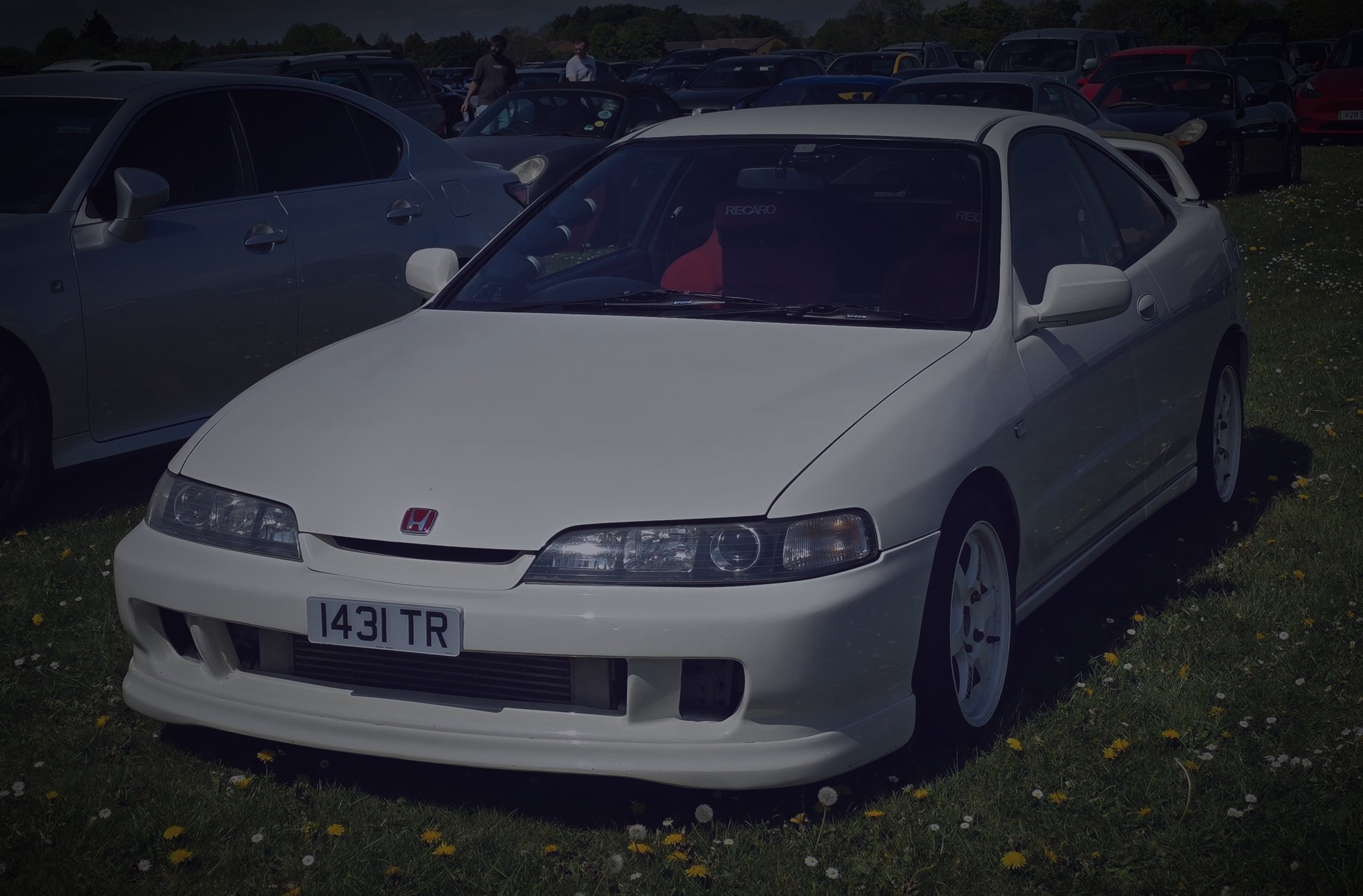
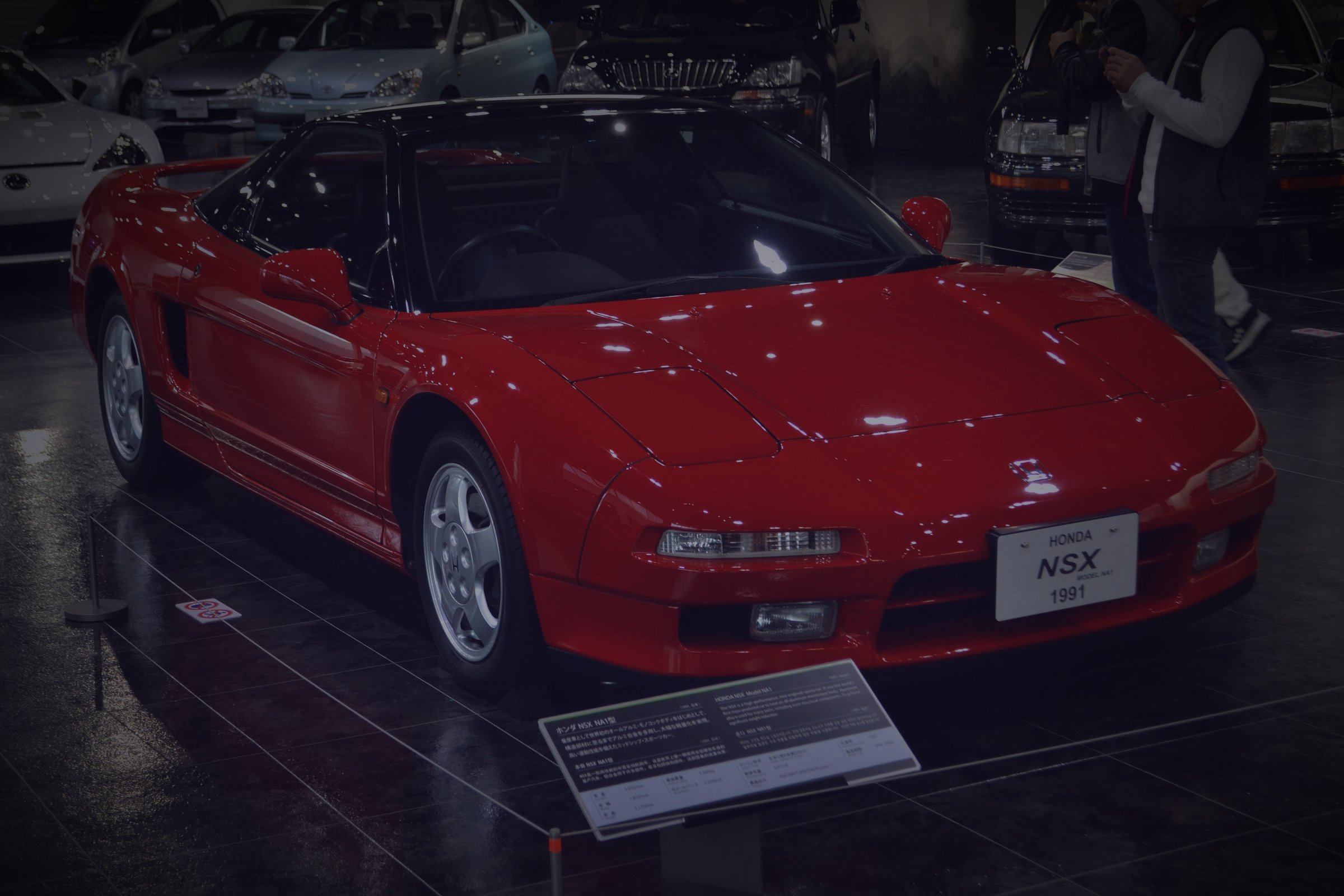
Honda's codes on this site are DA6 for the Integra of 1989, DC2 and DC5 for the Integra Type Rs of 1995 and 2001, and NA1 and NA2 for the NSX (sources 9, 10). The NSX shows how messy this gets: a Japanese used-car catalogue lists the 3.2-litre NSX-R of 2002 under LA-NA1, while Wikipedia uses NA2 for all 3.2-litre cars (sources 10, 11). We found no source that explains the LA- in front.

Mazda

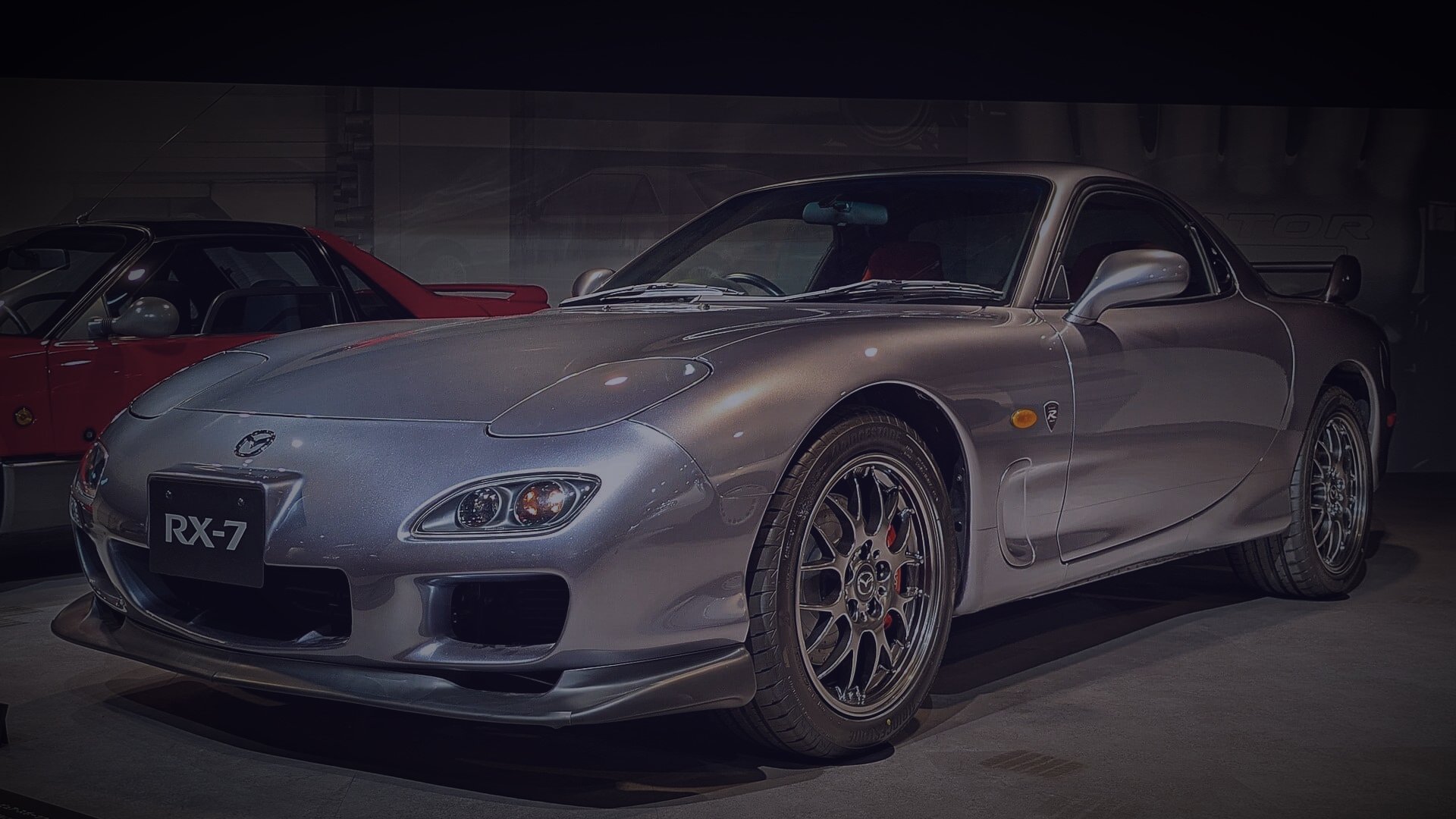
The three RX-7 generations are the SA22C, the FC3S and the FD3S (source 12). We found no source that explains the letters.

Mitsubishi

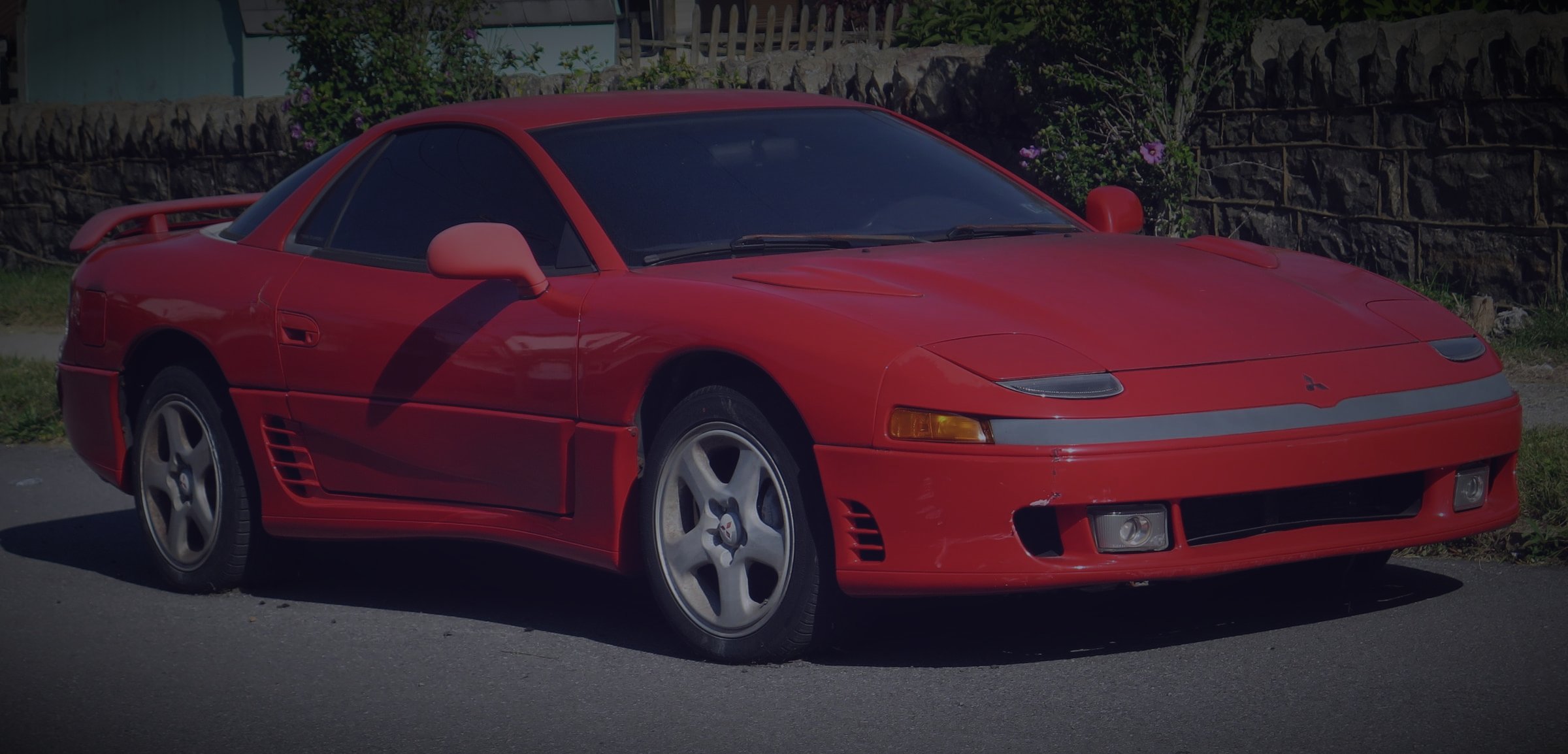
The GTO's codes split by engine: Z16A for the twin-turbo, four-wheel-drive car, Z15A for the naturally aspirated one (source 13). We found no source for the Lancer Evolution codes or their meaning.

Subaru

No Subaru on this site has a model page yet, and we found no source for Subaru's codes. This section waits until there is one.

Reference table

Every code used on this site, with the model, the years the spec tables cover and a link to the model page:

  • Toyota: AW11, SW20, ZZW30 (MR2); MA45, MA46, JZA70, JZA80 (Supra and Celica XX).
  • Nissan: PGC10, KPGC10, KPGC110, BNR32, BCNR33, BNR34 (Skyline GT-R); S13, PS13, RS13, S14, S15 (Silvia and 180SX).
  • Honda: DA6, DC2, DC5 (Integra); NA1, NA2 (NSX).
  • Mazda: SA22C, FC3S, FD3S (RX-7).
  • Mitsubishi: Z15A, Z16A (GTO and 3000GT).

Cars in this article

Red 1992 Mitsubishi 3000GT VR-4, front three-quarter view

Mitsubishi

Mitsubishi 3000GT

The Mitsubishi 3000GT, sold in Japan as the GTO, was the car that got everything: twin turbos, all-wheel drive, four-wheel steering and aero that moved on its own.

Photo: Cutlass, CC0 1.0, via Wikimedia Commons. Colour graded.

Red Toyota MR2 SW20 G-Limited, front three-quarter view

Toyota

Toyota MR2

The Toyota MR2 put the engine behind the driver at a price ordinary buyers could reach, across three generations: the AW11, the SW20 and the ZZW30.

Photo: FotoSleuth, CC BY 2.0, via Wikimedia Commons. Colour graded.

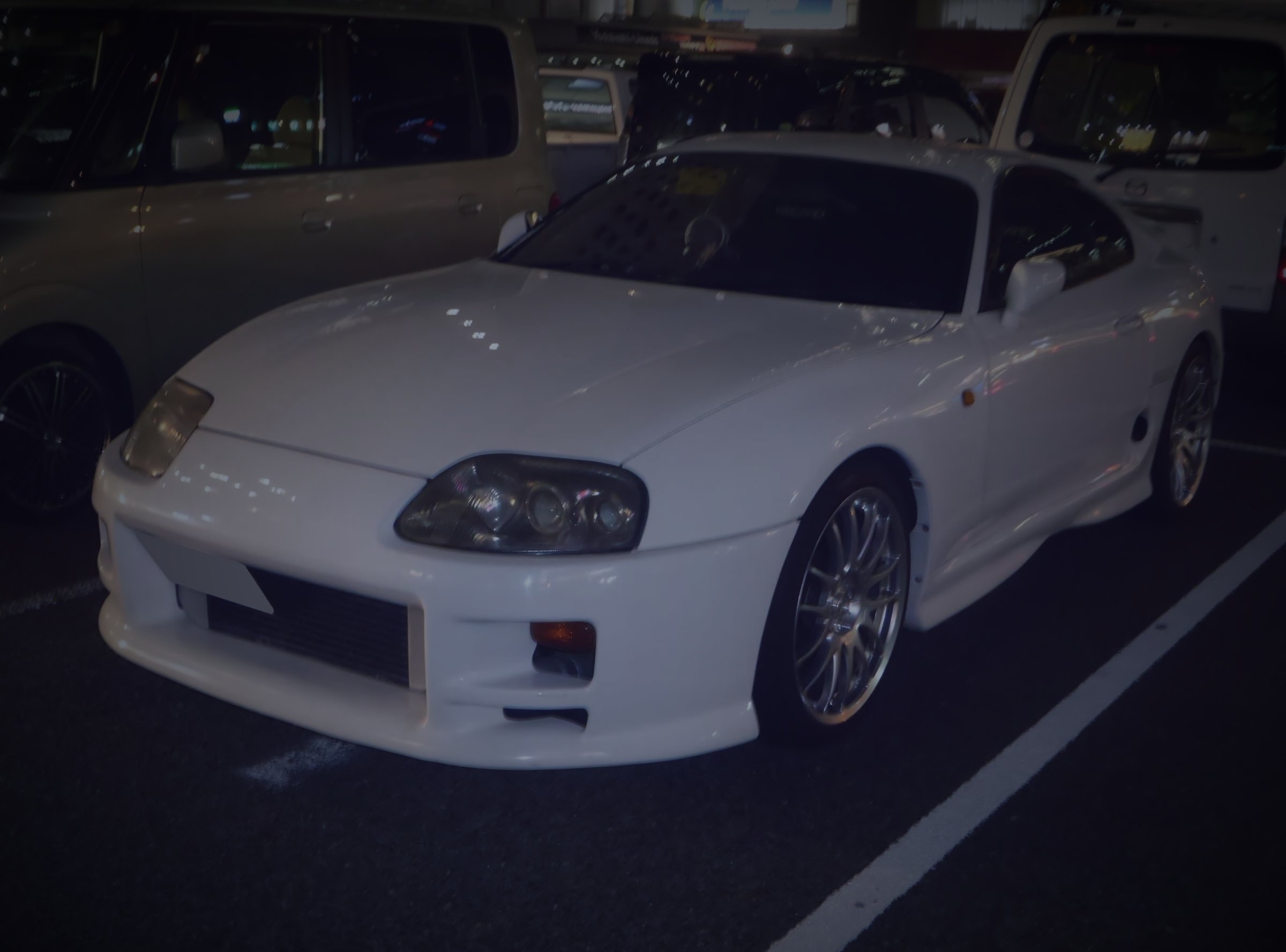
Tuned white Toyota Supra A80, front three-quarter view at night

Toyota

Toyota Supra

The Toyota Supra A80 is the car that made the 2JZ-GTE famous, and the engine returned the favour.

Photo: Tokumeigakarinoaoshima, CC0 1.0, via Wikimedia Commons. Colour graded.

Silver Mazda RX-7 Spirit R (FD3S), front three-quarter view at the Mazda Museum

Mazda

Mazda RX-7

The Mazda RX-7 is the rotary sports car: three generations, all powered by an engine nobody else would commit to.

Photo: Aos.1905, CC BY 4.0, via Wikimedia Commons. Colour graded.

Red 1991 Honda NSX (NA1), front three-quarter view at the Toyota Automobile Museum

Honda

Honda NSX

The Honda NSX took on the mid-engine supercar with an aluminium body, a VTEC V6 and the idea that such a car could be driven every day.

Photo: ε…ˆεΎ“ιš—ε§‹, CC0 1.0, via Wikimedia Commons. Colour graded.